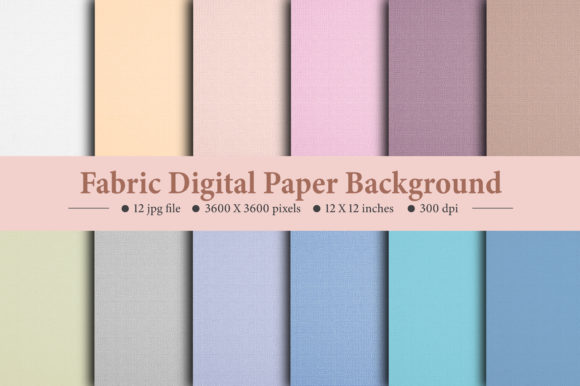
Watercolor Fabric Texture Backgrounds: Elevate Your Digital Designs
There is a distinct warmth that comes from combining the tactile feel of fabric with the fluid, artistic nature of watercolor. For designers, crafters, and business owners, finding digital assets that bridge the gap between organic artistry and functional design can be challenging. This is precisely where Watercolor Fabric Texture Backgrounds step in. They offer a unique aesthetic that feels both handcrafted and polished, providing a versatile foundation for a wide range of projects.
The Visual Appeal of a Hand-Painted Canvas
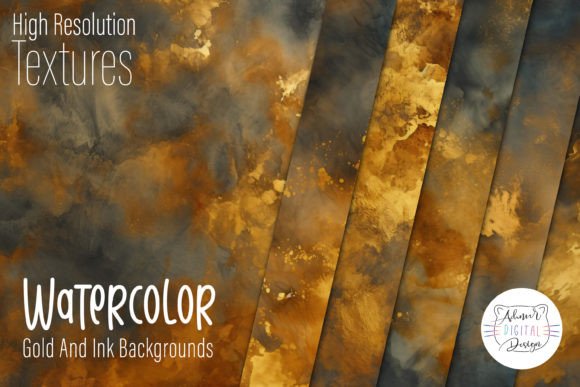
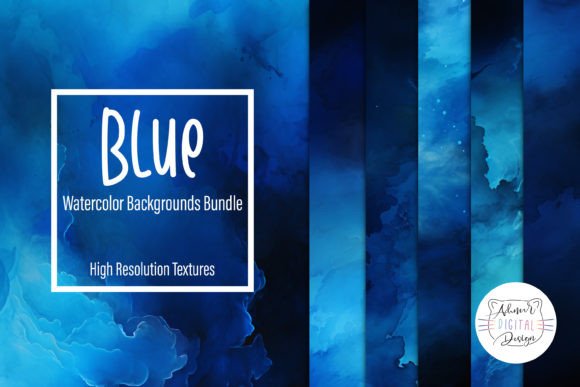
Unlike standard solid colors or harsh digital patterns, these backgrounds mimic the look of paint soaking into woven material. The visual characteristics are defined by soft color bleeds, subtle gradients, and the unmistakable grain of canvas or linen. You will notice how the pigment settles differently across the texture, creating a depth that flat digital files often lack. This style carries an artistic personality—earthy, creative, and authentic.
The appeal lies in its ability to add a human touch to digital work. In an era where audiences crave authenticity, a design that looks "made" rather than "generated" often resonates more deeply. Whether you are working on a soft pastel palette or a vibrant, saturated hue, the fabric weave adds a layer of sophistication that elevates the entire composition.
Practical Applications for Modern Creators
The utility of these files extends far beyond simple decoration. Because the collection includes 12 high-quality JPG files sized at 3600 x 3600 pixels with a resolution of 300 dpi, they are print-ready and perfectly suited for professional output. Here is how different professionals can integrate them into their workflow:
- Scrapbooking and Card Making: Use the textures as a complete background layer to anchor your embellishments. The fabric weave mimics the look of a real scrapbook page, adding tactile realism to digital or printed memory books.
- Packaging Design: For artisan products like soaps, candles, or stationery, these backgrounds serve as an excellent backdrop. They suggest that the product inside is handmade and cared for, influencing the customer's perception of quality before they even open the box.
- Photo Overlays and Mock-ups: Graphic designers can use these textures as overlays on product photography. Blending a watercolor fabric texture over a flat lay can unify the composition and add a vintage or artistic flair to the image.
- Social Media and Branding: Content creators can use these as backgrounds for quote cards or promotional banners. The texture prevents the background from looking like a generic stock image, helping to establish a consistent visual identity across platforms.
Design Strategy: Texture and Hierarchy
When incorporating Watercolor Fabric Texture Backgrounds into your design projects, visual hierarchy becomes the most critical factor. A busy or highly textured background can sometimes compete with your foreground elements, such as text or logos. To maintain readability, consider the following strategies:
First, manage the contrast. If your background features deep, saturated colors, opt for lighter text or vice versa. If the texture is particularly "loud" or detailed, consider adding a semi-transparent shape or a slight blur behind your typography. This creates a "safe zone" for your message to sit comfortably within the composition.
Second, think about brand consistency. If you are building a brand identity, select a texture that aligns with your brand's voice. A rough, canvas-like texture might suit a rugged outdoor brand, while a smoother, silkier watercolor blend might be perfect for a wedding planner or boutique shop. Using the same texture family across your website, social media graphics, and packaging creates a cohesive experience that builds recognition.
Compatibility and Workflow Efficiency
One of the biggest hurdles in digital asset management is software compatibility. These backgrounds are provided in a universal JPG format and utilize the RGB color mode. This ensures they are ready for immediate use in virtually any design software available today.
Whether you are a seasoned professional using Adobe Photoshop and Illustrator, or a hobbyist working in Canva or PicMonkey, the files will integrate seamlessly. The high resolution ensures that even if you need to crop into the image for a specific layout, the quality remains sharp and pixel-free. This flexibility is essential for entrepreneurs who need to pivot quickly between different marketing materials without worrying about technical limitations.
Ultimately, these assets are designed to save you time. Instead of spending hours trying to create a realistic fabric texture from scratch or searching for low-quality free alternatives, having a curated set of 12 distinct textures allows you to focus on the creative aspects of your project. They provide the perfect balance of artistic flair and technical reliability, making them a staple in any modern designer's toolkit.